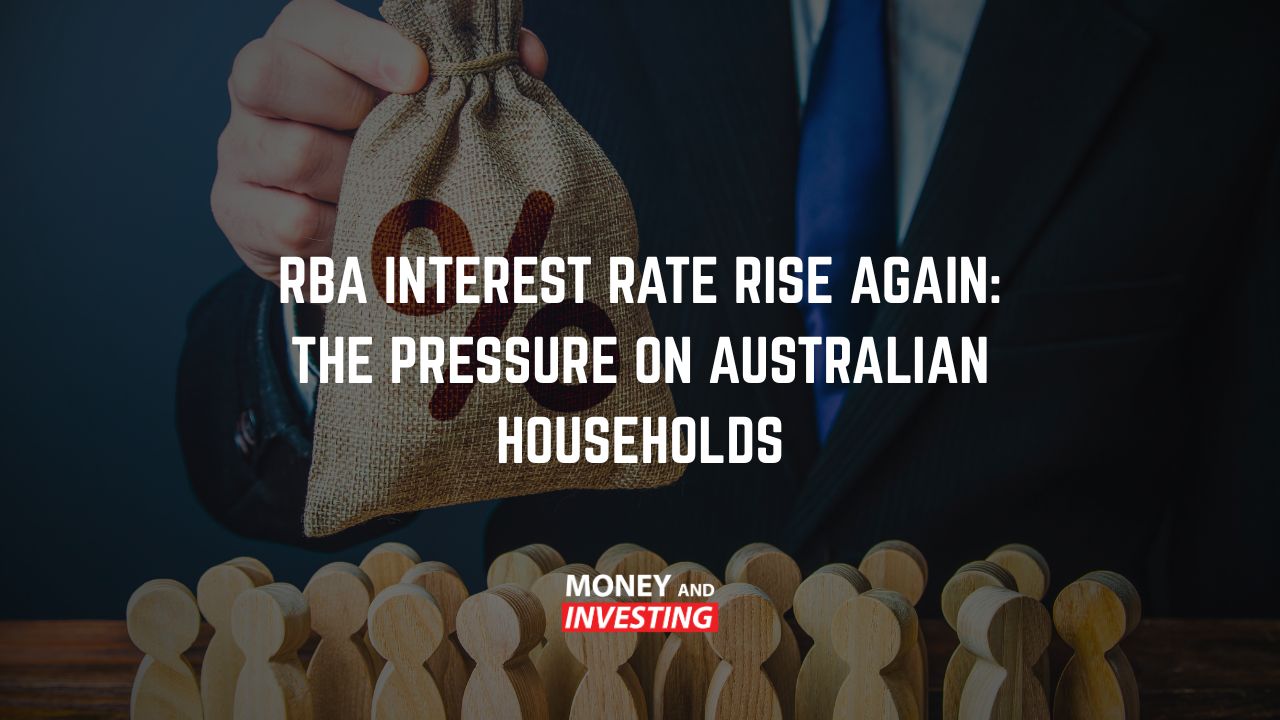
If you have been standing at the supermarket checkout lately and felt a quiet dread as the total climbed higher than expected, you are not alone. Across Australia, households are grappling with a level of financial pressure that is becoming increasingly difficult to ignore. The essentials, groceries, fuel, and energy, are consuming a growing share of take-home pay, and for many people, the numbers simply do not add up anymore.
This is not a lifestyle problem. It is not the result of reckless spending or poor decisions. Most Australian households are buying bread, milk, mince, and eggs. The basics. And even at that level, the cost is becoming genuinely confronting.
The Forces Behind the Pressure
The cost of living squeeze has multiple drivers, and understanding them matters. Fuel prices remain stubbornly high, partly due to global supply disruptions, but also due to a tax structure that offers little relief to consumers. In Australia, the GST is applied on top of the fuel excise, meaning that as prices rise, government revenue increases. There is limited structural incentive to bring costs down, and everyday Australians absorb the difference.
Food pricing tells a similarly frustrating story. Australia is one of the world’s largest producers of certain agricultural products, yet domestic prices often far exceed what the same goods cost overseas. The causes are complex. Production costs, supply chain inefficiencies, and supermarket pricing practices all play a role. But the outcome is the same. Families are paying more for less.
Add rising rents, higher mortgage repayments, and climbing energy bills to that picture, and you begin to understand why financial exhaustion has become so widespread. It is not one pressure. It is all of them, arriving simultaneously.
The Psychological Cost Nobody Talks About
What makes this period particularly difficult is the psychological weight that sits alongside the financial one. Sustained money stress affects sleep, relationships, and the ability to think clearly about the future. When everyone around you is in the same position, it can start to feel like the natural order of things, and that collective resignation is one of the most dangerous traps a person can fall into.
The moment financial struggle becomes part of your identity, changing it becomes significantly harder. The practical steps available to you do not change. But your willingness to take them does.
3 Steps Worth Taking Right Now
The good news is that the situation is fixable. Not painlessly, and not overnight. But with the right approach, meaningful progress is absolutely achievable.
Start with your budget. Not as a restriction, but as a tool for clarity. Track every dollar coming in and going out for 30 days. Most people who do this discover spending they were not fully aware of. Small redirections, applied consistently, begin to create breathing room.
Next, look honestly at your income. Your current salary is not necessarily your ceiling. Whether you have a trade, an administrative skill, or simply time and a willingness to work, there are ways to generate additional income outside of your primary employment. Even a modest side income can cover a grocery bill, reduce debt faster, or begin building a financial buffer.
Finally, take your mental inputs as seriously as your financial ones. Reducing exposure to negative media and social platforms and replacing that time with content that builds your financial knowledge creates a measurable shift in how you think and what you do.
Where You Are Is Not Where You Have to Stay
Financial exhaustion is real, and the pressures driving it are real. But so is the capacity to change your situation. The deciding factor, more often than not, is simply the commitment to do something about it.